
Rural Inheritance Tax Changes
What They Mean for Rural Valuation and Probate
The New Inheritance Tax Rules
How the New Inheritance Tax Rules Affect Farms, Estates and Probate Valuations
For many years, farming businesses and rural enterprises have relied on 100% APR and BPR to help transfer qualifying assets between generations without a significant inheritance tax burden. The rules now in force have changed the way these reliefs apply:
£2.5 million relief allowance: Individuals can claim 100% APR and BPR on qualifying assets up to a combined value of £2.5 million.
Transferable allowance: Any unused allowance can be transferred to a surviving spouse or civil partner, potentially providing a combined £5 million allowance.
Relief above the allowance: Qualifying APR and BPR assets exceeding the available allowance receive 50% relief.
Inheritance tax allowances retained: The inheritance tax nil-rate band (NRB) of £325,000 and residence nil-rate band (RNRB) of £175,000 remain available and are currently fixed at these levels until 2030.
Implications of the IHT changes for rural estates
Many farming assets, including agricultural land, buildings, machinery and livestock, may continue to qualify for APR or BPR, subject to the relevant conditions. However, the introduction of the new allowance means that larger farms and estates may now face a greater inheritance tax exposure than under the previous rules.
For qualifying assets, 100% relief is available up to the individual's £2.5 million allowance. Any qualifying value above the available allowance receives 50% relief, which can create a significant inheritance tax liability for substantial farming businesses, diversified rural enterprises and landed estates.
As a result, succession planning, asset ownership structures and accurate valuations have become increasingly important for farming families, landowners and estate administrators.
Our recommendations
Obtain an up-to-date valuation of all assets:A professional valuation is the foundation of effective succession planning and inheritance tax management. A detailed assessment of land, buildings, development potential, diversified enterprises, machinery, and other assets provides clarity on current market value and potential tax exposure, while helping identify planning opportunities.
Review asset ownership and succession arrangements:The new rules allow unused APR/BPR allowance to transfer between spouses and civil partners. However, ownership structures, partnership agreements and Wills should still be reviewed regularly to ensure assets are held in the most appropriate way and that both the available reliefs and transferable allowances can be fully utilised as part of a wider succession strategy.
Anna Tomlinson
Partner, Rural

Below are two case studies that Carter Jonas valuation experts have recently been involved with:
Diversified Farm in Gloucestershire
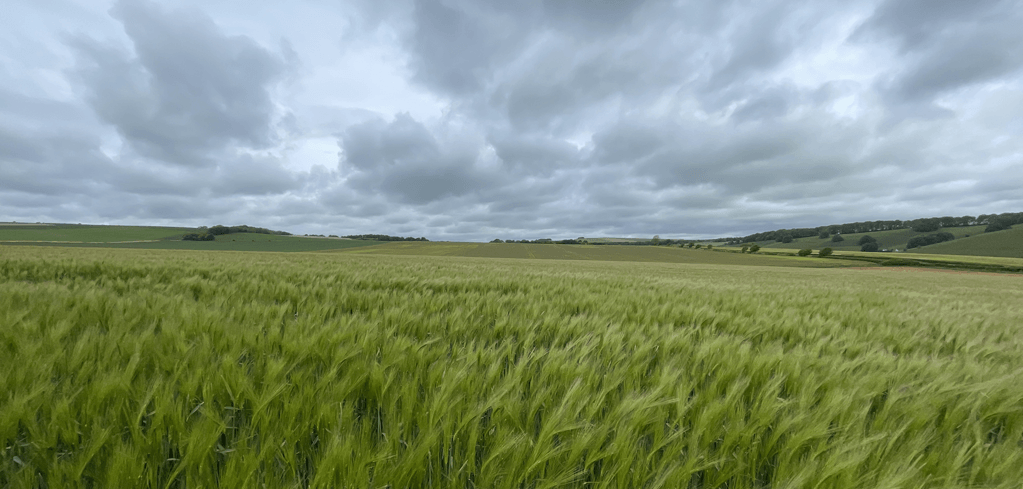
This £6 million diversified farm required detailed asset-by-asset analysis, with different elements qualifying under different reliefs. The farmland and farmhouse secured APR, while the cottages and wedding venue relied on the trading status of the business for BPR.

Two Adjoining Farms in North Yorkshire
This £7 million farming estate required detailed analysis of each asset class. While the farmland qualified for APR, the traditional buildings, farmhouse, cottage, and poultry unit each required separate consideration to establish the appropriate relief position and valuation approach.
Get in touch
Contact Anna Tomlinson or one of our specialist rural valuation advisers to discuss succession planning, probate valuations and inheritance tax implications for your farm or estate.