
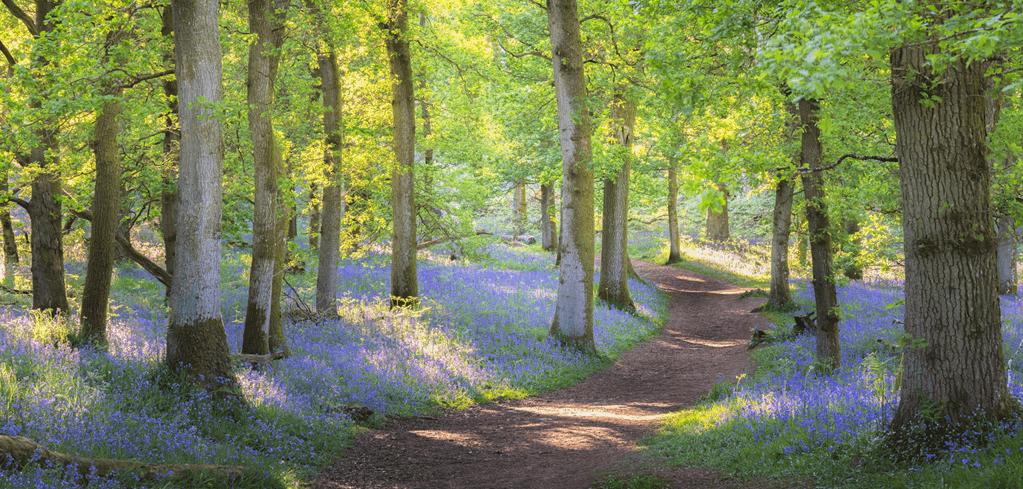
Biodiversity Net Gain & Habitat Creation
Biodiversity Net Gain is a requirement of the Environment Act. Previous national policy has supported a change in management of land as an offset for specific habitat types where these were going to be lost within a development.
Overview
The next iteration of Biodiversity gain is Biodiversity Net Gain (BNG). BNG within the Environment Act 2021 (the ‘Act’) is a ratcheting up of this process demanding not only the replacement of habitat but a net increase in biodiversity after a development of at least 10% with some local authorities requesting a 30% increase.
Register your interestHow is biodiversity calculated?
In the context of the statutory BNG regime habitat type, condition, distinctiveness, and location are used a proxy for biodiversity. This is because it is much easier to consistently measure changes in habitat than changes in biodiversity. Defra and Natural England have created the Statutory Metric which is used to calculate biodiversity on a site. Information about the type, condition and location of habitat are entered into the metric and it produces the number of Biodiversity Units (BU) the site has.
These BUs can be created anywhere in England and can be bought by developers to offset the impact of their development.
Habitat Banking
The Act has brought in the concept of Habitat Banking. This is where a landowner either enhances the existing habitats on their land or creates new habitats to increase the number of BUs on the land and enters into a legal agreement which results in a Land Charge on the land. The agreement is to monitor and maintain that change for a minimum of 30 years.
The resulting additional BUs can be sold by the landowner to developers who cannot deliver the required BNG on site. The Act has created this market for BUs and has underwritten it with a state Biodiversity Credit scheme as a provider of last resort to ensure the market will work. Those land managers entering the biodiversity market should be aware that their land will be bound into the specific land use for a minimum of 30 years, with this being secured on their land title via a Land Charge registered at the Land Registry. In addition to this a Habitat Bank will need to be added to the National Register as BUs are allocated to a development by registering this on the National Register.
Trading BUs
Landowners may wish to create biodiversity units on their land either for sale within the BNG market or outside this regulated environment.
The creation of Habitat Banks will result in tradeable accredited units. With BNG units only being required at the point of implementing planning permission, it is likely that , most of these trades will be on an Option basis rather than an outright sale and because of the way the Statutory Metric calculates BNG, until the donor site is identified, and the specific development is permitted, the actual calculation of BNG cannot be finalised.
Do you have land that could be used to provide BNG units either within the market or outside of it?
Register your interestThe Natural Capital Exchange allows you to register that site with us so that when we get a requirement within your locality, we can match the two together.
Mark Russell
Partner, Natural Capital

Meet the Team
- Loading...
- Loading...
- Loading...
Related Case Studies
 Read case studySeptember 2026
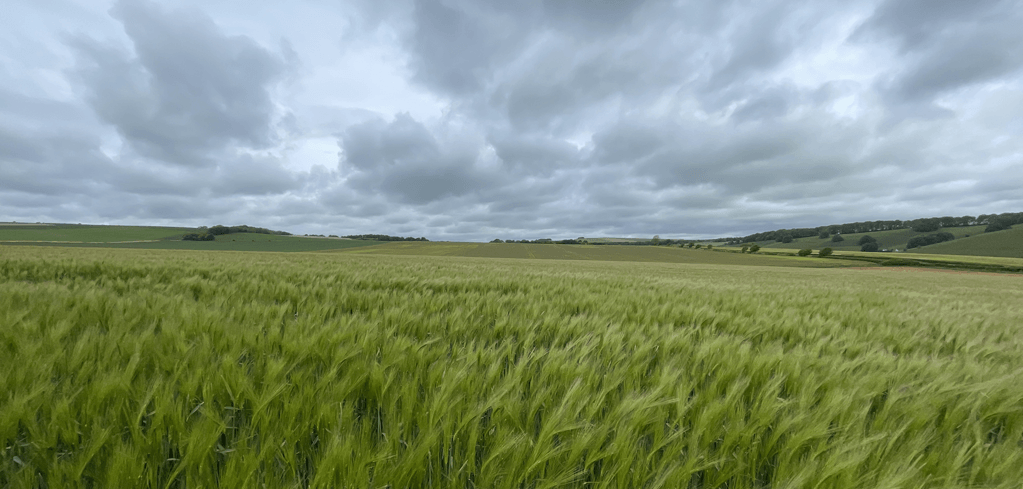
Diversified Farm in Gloucestershire
This £6 million diversified farm required detailed asset-by-asset analysis, with different elements qualifying under different reliefs. The farmland and farmhouse secured APR, while the cottages and wedding venue relied on the trading status of the business for BPR.
Tags:- South West
- Farms, Estates & Rural Leisure
- Valuations
 Read case studySeptember 2026
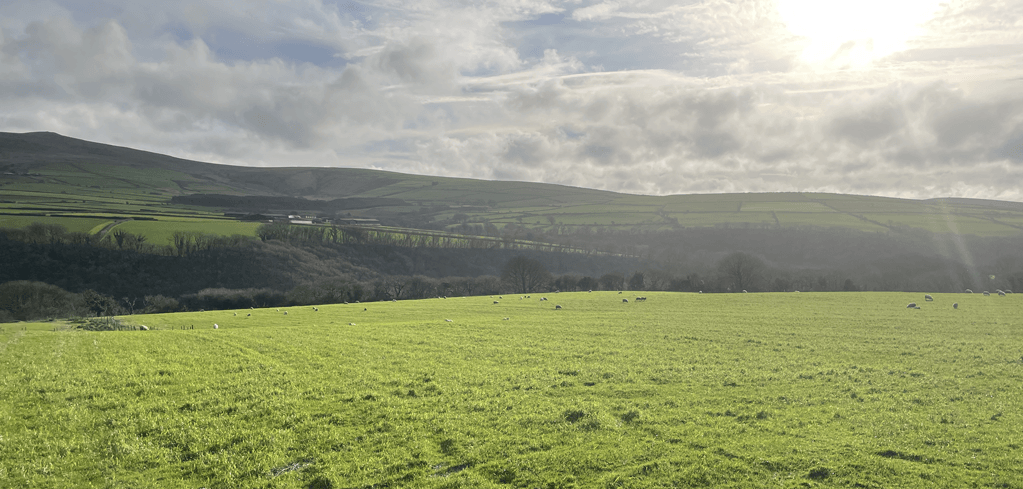
Two Adjoining Farms in North Yorkshire
This £7 million farming estate required detailed analysis of each asset class. While the farmland qualified for APR, the traditional buildings, farmhouse, cottage, and poultry unit each required separate consideration to establish the appropriate relief position and valuation approach.
Tags:- Yorkshire and Humber
- Farms, Estates & Rural Leisure
- Valuations
 Read case studyJuly 2024
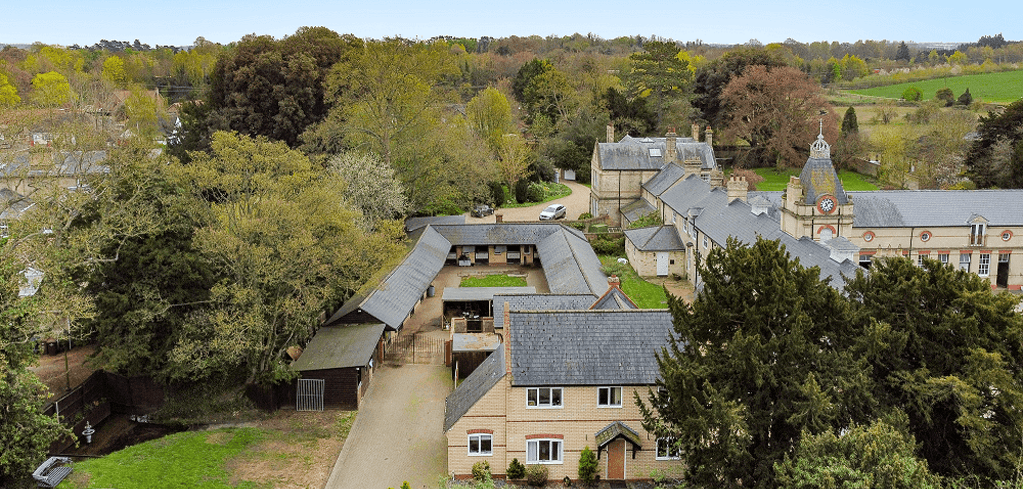
Sale of Pond House Stables
We were instructed by the owner who was a former trainer and amateur jockey to sell Pond House Stables.
Tags:- South West
- Farms, Estates & Rural Leisure
- Equestrian Property
Est. 1855
Leading the property industry for over 160 years
700+
Property experts working across the UK
9,500+
Active registered buyers and tenants on our database
99.6%
of asking prices achieved
Research and Insights
 Read insight
Commercial Market Outlook
Our commercial market outlook, published by our research team, is continually being reviewed and updated with our latest insights.
 Read insight
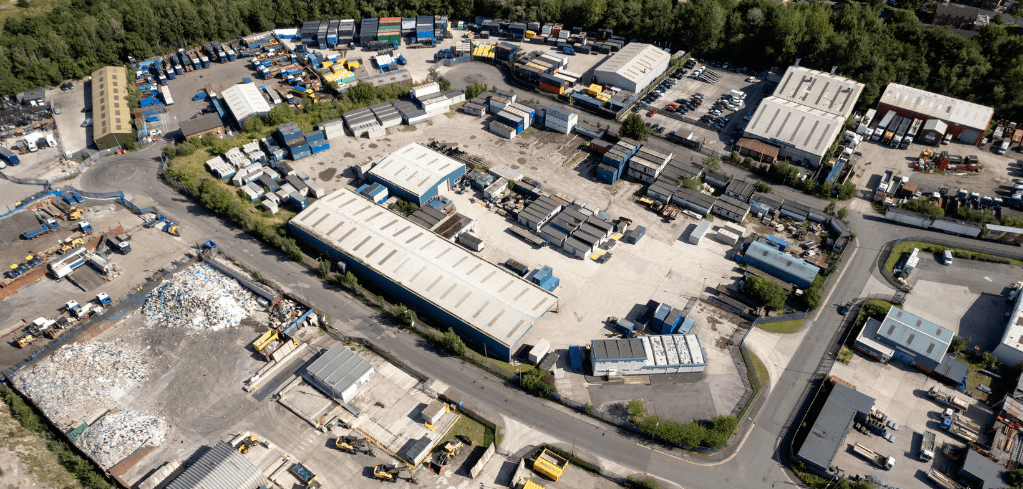
How much does it cost to develop an Industrial Open Storage site in the UK?
Discover the costs of developing an Industrial Open Storage (IOS) site in the UK. Get expert insights from Carter Jonas to plan your investment effectively.
 Read insight
Industrial Insights & Outlook | Autumn 2026
Explore Carter Jonas' Industrial Insights & Outlook Autumn 2026 for expert analysis, market trends, and forecasts shaping the industrial property sector this season.
Need more tailored advice? Get in touch with your local office.
Our team will contact you directly to discuss your property needs.