
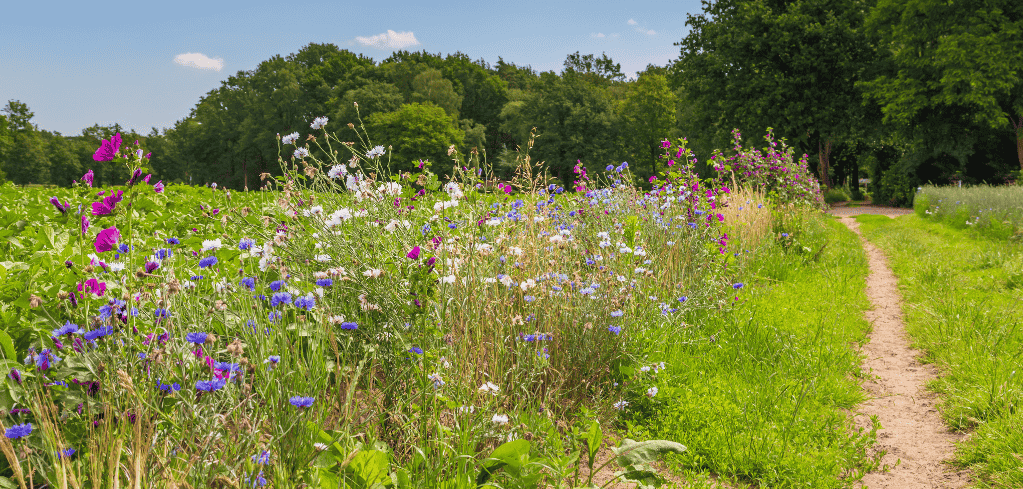
Local Nature Recovery
Local nature recovery, which comes under the umbrella of ELMS, pays farmers to change their practices in a way which supports the environment.
Overview
Local Nature Recovery, part of the new Environmental Land Management Scheme (ELMS), the government’s overarching rural funding scheme, is aimed at promoting national environmental priorities through small-scale, local action.
Local Nature Recovery (LNR) will be the successor scheme to Countryside Stewardship; a hybrid between mid and higher tier, designed to deliver locally targeted environmental outcomes from nationally important objectives:
enhancing biodiversity
improving water quality
achieving net zero
increasing environmental resilience to climate change
improving air quality
natural flood management
coastal erosion risk mitigation
heritage and access
A core ambition is to make space for nature within the farmed environment, alongside food production.
James Bradley
Partner, Rural
MRICS FAAV CEnv MBPR

Additional Information
What will be funded under local nature recovery?
As the intermediate tier in ELMS, LNR will build on the foundations of Countryside Stewardship by continuing to offer an existing suite of Mid and Higher Tier options combined with some new additions.
Funding will initially focus on the management of ten core themes:
feeding, shelter and breeding areas for wildlife on arable farms
grassland habitats
wetland habitats
lowland heathland
coastal habitats
peat and moorland
the recovery and reintroduction of particular wildlife species
woodland creation and management
nature-based solutions for water
restoring rivers, flood plains, streams, and riparian habitats
While little is currently known about which management options will be carried over from Countryside Stewardship, the new options introduced or their respective payment rates DEFRA has confirmed that a full list of options, payment rates and scheme rules will be published later in 2022.
How will local nature recovery work?
Similar to Countryside Stewardship, LNR agreements will contain a range of selected management options with targets and prescriptions. Defra is looking to adopt outcome-based inspections, judging success on actual results, transitioning away from the blanket penalty approach enforced within cross compliance.
A new element Defra is considering introducing is holding specific Land Management Plans which will be used as a tool to assess and monitor compatibility with ELM schemes and a scheme’s success. At present, further research is required before they are integrated into ELMS, and it is unknown which schemes will require a Land Management Plan.
Once fully rolled out, LNR will be managed under the same service as Sustainable Farming Incentive, further simplifying administration between the two schemes.
When will local nature recovery be launched?
Defra is streamlining the testing period by only trialling new elements on around 500 privately selected holdings before the scheme launches. The release will be staged with a limited number of agreements being granted in 2023 followed by the full rollout in 2024.
How long will local nature recovery last?
We understand LNR will operate on a multi-year agreement with a term proportional to the specific outcome selected. Considering the terms of other ELM schemes are three years (Sustainable Farming Incentive) and 20+ years (Landscape Recovery) we believe LNR agreements could typically last between seven and 15 years, depending on the options selected.
Can local nature recovery operate alongside another scheme?
LNR is intended to operate alongside other schemes such as Sustainable Farming Incentive (where outcomes are not double funded), as well as private markets where broader natural capital assets could be transacted. The ability to select specific options between ELM schemes will allow agreement holders to synergise their agreements and deliver a targeted, holding specific scheme.
Who will be eligible for local nature recovery?
Once fully rolled out, LNR will be accessible to farmers, including tenants and common right holders, together with land managers and foresters who manage important habitats and natural resources. Collaboration amongst agreement holders will be encouraged throughout, in order to deliver unified outcomes at scale. It is understood that there will be scope to add land, or management options, during the term of an agreement to accommodate changes or unifications in management.
What other schemes will be available?
This is one strand of ELMS. Once fully released, there will be other schemes, both simpler (Sustainable Farming Incentive) and complex (Landscape Recovery), alongside standalone grants. Defra has also confirmed that private schemes (for example, carbon sequestration), providing they are not double funded, will be available as additional revenue streams to agreement holders.
During the transition to ELMS, Countryside Stewardship will remain available up to 2024.
Meet the Team
- Loading...
- Loading...
Related Case Studies
 Read case studySeptember 2026
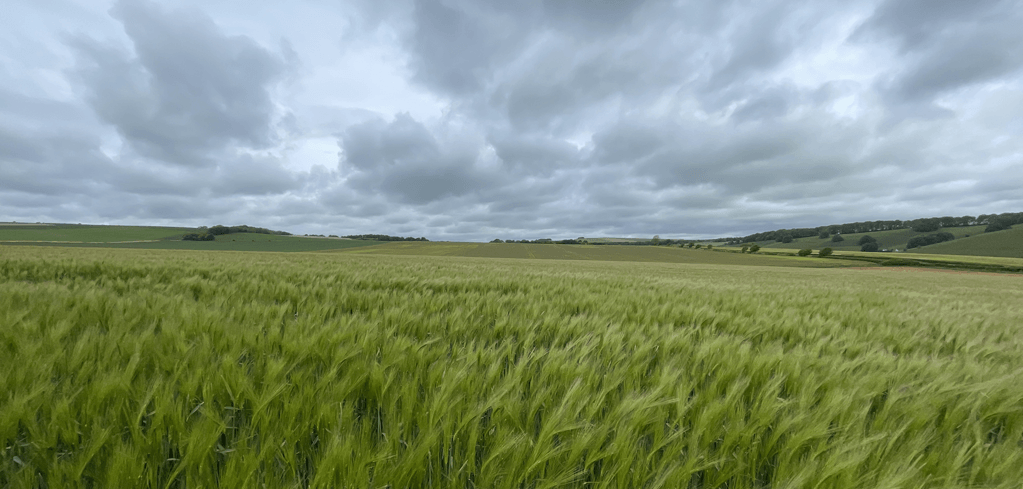
Diversified Farm in Gloucestershire
This £6 million diversified farm required detailed asset-by-asset analysis, with different elements qualifying under different reliefs. The farmland and farmhouse secured APR, while the cottages and wedding venue relied on the trading status of the business for BPR.
Tags:- South West
- Farms, Estates & Rural Leisure
- Valuations
 Read case studySeptember 2026
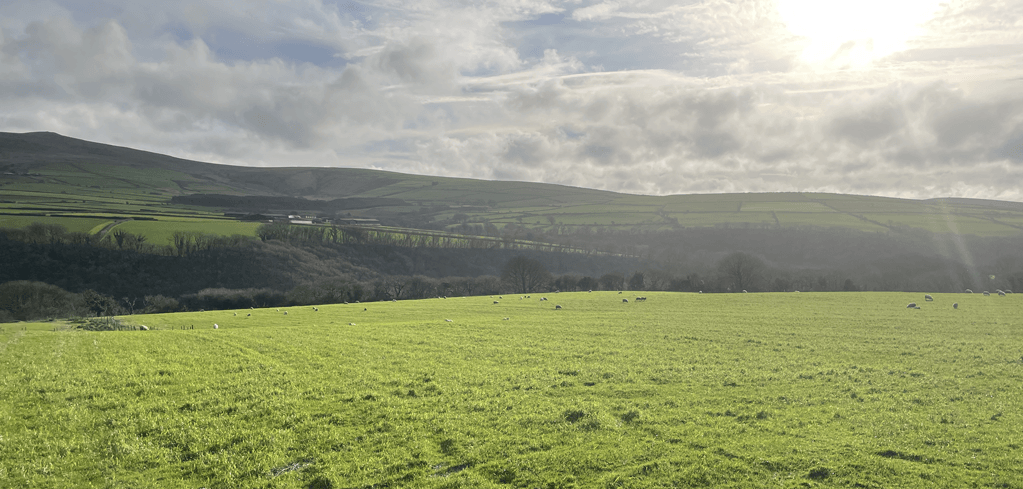
Two Adjoining Farms in North Yorkshire
This £7 million farming estate required detailed analysis of each asset class. While the farmland qualified for APR, the traditional buildings, farmhouse, cottage, and poultry unit each required separate consideration to establish the appropriate relief position and valuation approach.
Tags:- Yorkshire and Humber
- Farms, Estates & Rural Leisure
- Valuations
 Read case studyJuly 2024
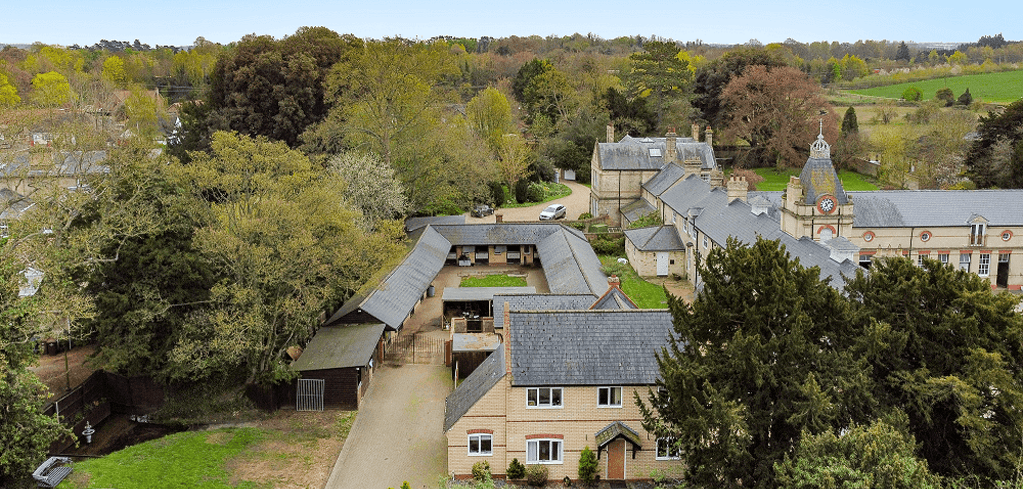
Sale of Pond House Stables
We were instructed by the owner who was a former trainer and amateur jockey to sell Pond House Stables.
Tags:- South West
- Farms, Estates & Rural Leisure
- Equestrian Property
Est. 1855
Leading the property industry for over 160 years
700+
Property experts working across the UK
9,500+
Active registered buyers and tenants on our database
99.6%
of asking prices achieved
Research and Insights
 Read insight
Commercial Market Outlook
Our commercial market outlook, published by our research team, is continually being reviewed and updated with our latest insights.
 Read insight
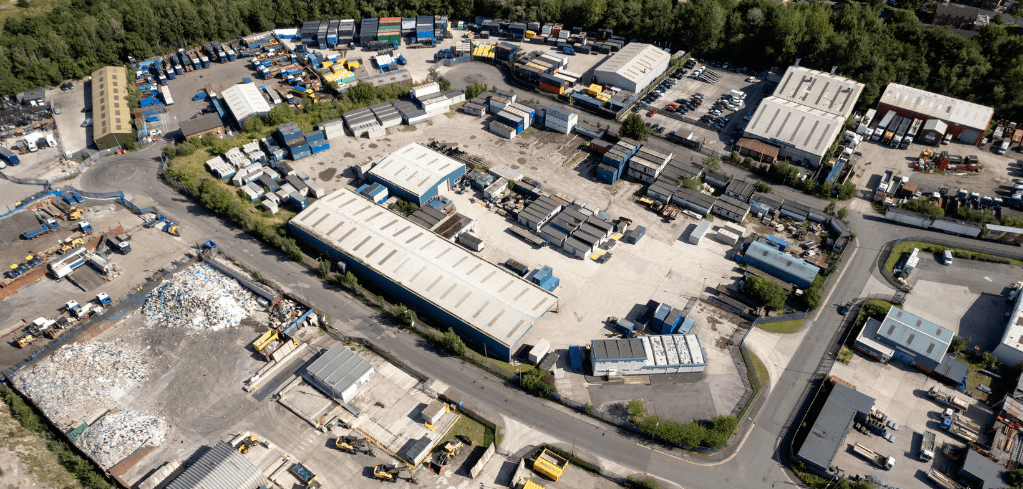
How much does it cost to develop an Industrial Open Storage site in the UK?
Discover the costs of developing an Industrial Open Storage (IOS) site in the UK. Get expert insights from Carter Jonas to plan your investment effectively.
 Read insight
Industrial Insights & Outlook | Autumn 2026
Explore Carter Jonas' Industrial Insights & Outlook Autumn 2026 for expert analysis, market trends, and forecasts shaping the industrial property sector this season.
Need more tailored advice? Get in touch with your local office.
Our team will contact you directly to discuss your property needs.