

Refloating the Arc - Introduction
Refloating the Arc is a detailed report produced by our research specialists, in collaboration with our regional property professionals. Within the report introduction we summarise the history of the Oxford Cambridge Arc, and provide context for the sections that follow.
Tailored newsletters for you
Sign up to our newsletter to receive further information and news tailored to you.
The Oxford Cambridge Arc
The Oxford to Cambridge Arc spans both urban and agricultural land at approximately a 50 miles radius from London. The core Arc is formed of a proposed new transport corridor that encompasses not only Oxford and Cambridge but also the major centres of Milton Keynes and Bedford. However, the wider Arc area includes 23 local planning authorities and the other statutory bodies. It has a population of 3.8 million and includes a number of specialised industry clusters in addition to world leading universities.
The Oxford Cambridge Arc initiative was originally launched in 2003 by three English regional development agencies with the objective to develop the unique characteristics of the Arc with world renowned educational attributes coupled with a dynamic and fast-growing research and development sector.
Oxford and Cambridge have an outstanding track record of attracting employers, talent and innovation on a global scale and the Arc accounted for 5.9% of the UK’s economic output (GVA) in 2019. Collectively, the Arc has witnessed an impressive 25% economic growth between 2009-18 and ranks amongst the highest growth areas within the UK. The area’s capacity to further increase its contribution is clearly evident although a number of hurdles exist which are detailed within the report.
While the concept of a combined and collective Arc has received much publicity, our report looks into the mechanics of the area and how it currently functions. Its strengths and weaknesses are examined and the opportunities, locations and capacity for further development to enable functioning as a coherent and combined area are explored.
Research and Insights
 Read insight
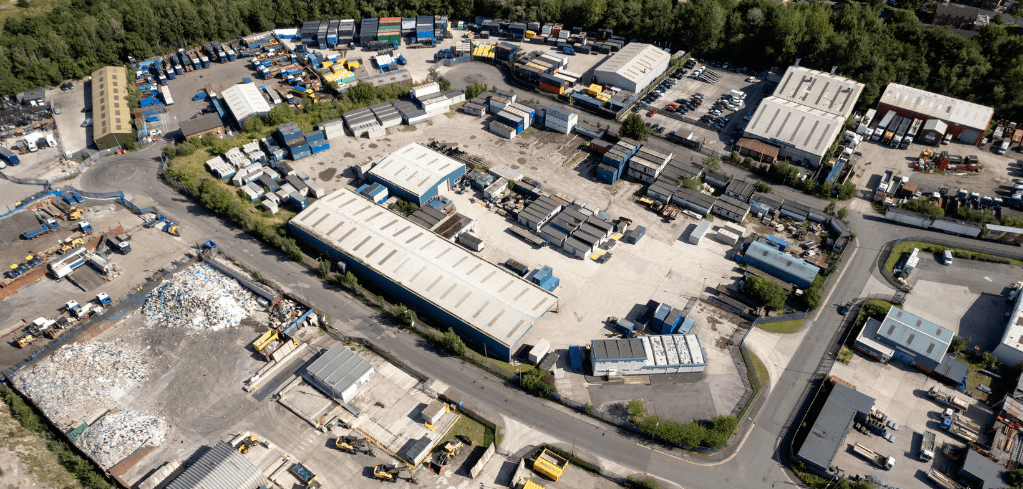
How much does it cost to develop an Industrial Open Storage site in the UK?
Discover the costs of developing an Industrial Open Storage (IOS) site in the UK. Get expert insights from Carter Jonas to plan your investment effectively.
 Read insight
What is IOS and Why It Matters
Industrial Open Storage (IOS) has rapidly emerged as one of the UK's most significant alternative real estate sectors, with an estimated value of £16-£20 billion. This article explores what qualifies as IOS, how it differs from traditional industrial property and why growing occupier demand and constrained supply continue to attract investor attention.
 Read insight
MEES Reset: The deadline has moved, but the problem hasn’t
Explore how the MEES Reset impacts commercial property. Carter Jonas analyses EPC data, upgrade challenges and what the 2031 EPC B deadline means for landlords.